

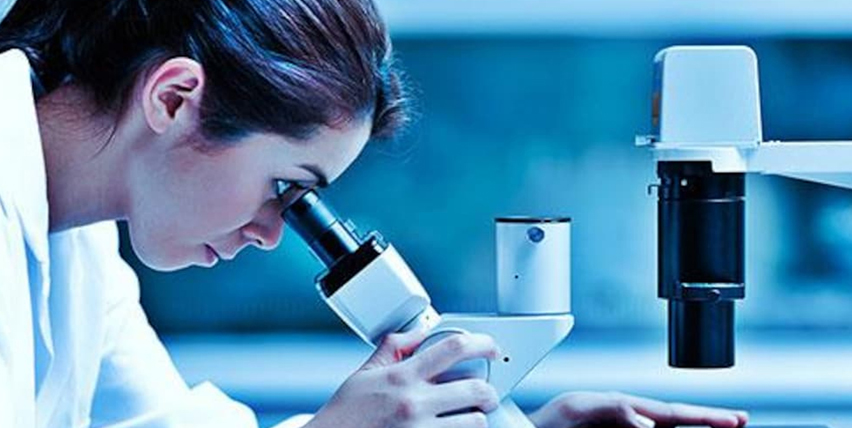
The Department of Clinical Laboratory Technology offers the Bachelor of Science (B.Sc.) in Clinical Laboratory Technology (CLT), an undergraduate program designed to train students in medical laboratory science and diagnostic techniques.
This program plays a vital role in the healthcare sector by preparing skilled laboratory professionals who assist in the diagnosis, treatment, and prevention of diseases.
The curriculum combines theoretical knowledge with practical laboratory training, enabling students to perform clinical tests, analyze biological samples, and operate advanced diagnostic equipment.
The department is equipped with modern laboratories and instruments that provide hands-on experience in clinical testing and medical diagnostics.
To develop competent medical laboratory professionals with strong technical skills, scientific knowledge, and ethical values to contribute effectively to healthcare services.
- To provide quality education in clinical laboratory science.
- To develop practical skills in diagnostic techniques.
- To promote accuracy, discipline, and ethical practices.
- To prepare students for healthcare and laboratory careers.
- To encourage continuous learning and professional growth.
- To provide a strong foundation in medical laboratory science
- To develop skills in clinical testing and diagnosis
- To train students in handling laboratory instruments
- To promote accuracy and quality in laboratory procedures
- To prepare students for healthcare and diagnostic careers
The B.Sc. CLT curriculum includes:
- Clinical Biochemistry
- Clinical Pathology
- Microbiology
- Hematology
- Immunology
- Histopathology
- Medical Laboratory Techniques
- Clinical Diagnostics
- Blood Banking
- Laboratory Management
The program includes laboratory sessions, clinical training, and project work to provide real-time experience in diagnostics.
The department provides modern laboratories equipped with:
- Clinical Biochemistry Lab
- Microbiology Lab
- Hematology Lab
- Pathology Lab
- Blood Bank & Diagnostic Equipment
- Experienced faculty members
- Hands-on clinical training
- Hospital and diagnostic lab exposure
- Workshops and seminars
- Internship opportunities
- Research and project work
- Medical laboratory workshops
- Diagnostic training programs
- Guest lectures by healthcare professionals
- Health awareness programs
- Research presentations
- Hospital visits and training
These activities enhance clinical skills, diagnostic knowledge, and professional competence in healthcare services.